
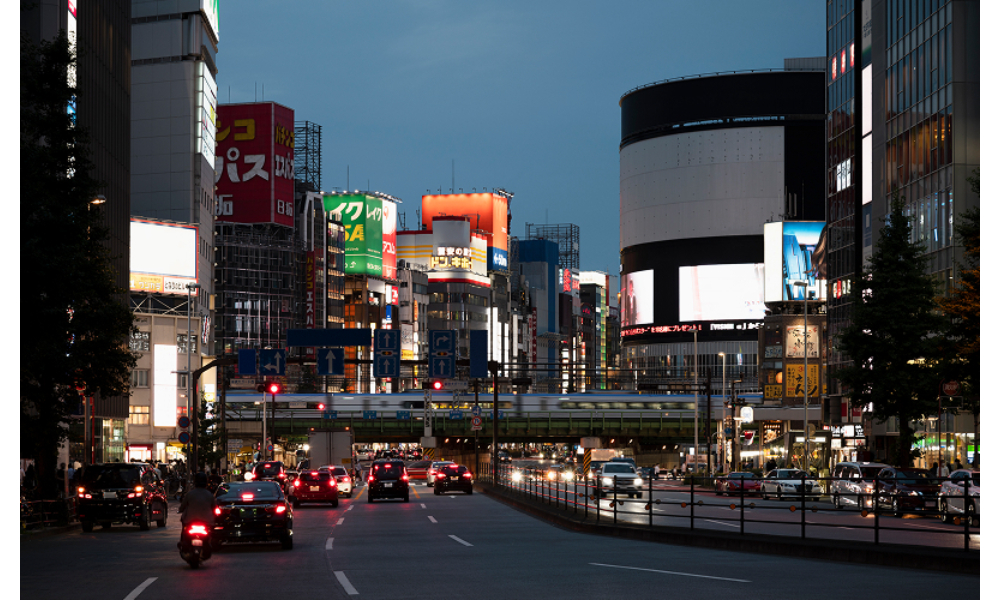

A building can look complete on paper and still feel invisible in real life. Facades, entrances, and surroundings shape first impressions long before anyone steps inside. Many property teams continue a quiet habit that undermines visibility and trust after sunset. The conversation starts with presence, then shifts quickly to the role of a signboard maker in Singapore in shaping how a space is read at street level. Ignoring lighted building signs feels harmless during planning meetings, yet the effects surface daily. Missed entrances, confused visitors, and reduced foot traffic add friction to places meant to feel welcoming.
1. Weak Night Visibility Creates Silent Barriers
Buildings do not switch off once daylight fades. Offices run late, clinics receive evening visitors, and mixed-use spaces remain active well into the night. Ignoring lighted building signs leaves people guessing where to go, especially across large compounds or shared developments.
A dark signboard does more than hide a name. It signals uncertainty. Visitors slow down, scan the frontage repeatedly, or circle the block again. This hesitation affects perception before any service interaction begins. A signboard maker in Singapore understands how illumination supports legibility without overpowering the surroundings.
Clear lighting helps names, directions, and entrances register instantly. When lighted building signs guide the eye naturally, visitors move with confidence instead of caution. Removing this uncertainty lifts pressure from reception teams and security staff who end up fielding basic location questions.
2. Wayfinding Suffers Without Consistent Illumination
Wayfinding works as a system rather than a single sign. When external signs fade into darkness, internal directions lose context. Visitors struggle to orient themselves, even when interior layouts make sense during the day. Ignoring lighted building signs disrupts this flow. Car parks, side entrances, and secondary blocks become confusing zones. People arrive late or flustered, which reflects poorly on the space rather than the map.
A signboard maker in Singapore plans illumination as part of the overall navigation journey. Lighted building signs anchor the first decision point, allowing internal signage to work as intended. This alignment supports smoother movement and reduces frustration during peak periods or evening events.
3. Brand Presence Weakens After Sunset
Buildings communicate values long before staff speak. Materials, placement, and lighting all contribute to tone. When signs disappear at night, the brand presence fades with them. This absence creates an unintended message. Spaces look inactive or unprepared, even when operations continue inside. Lighted building signs maintain continuity across hours, reinforcing reliability without shouting for attention.
A signboard maker in Singapore brings balance to this process. Illumination can stay subtle while remaining legible. The result feels intentional rather than decorative, which matters in professional settings such as offices, medical centres, and educational facilities.
4. Safety and Compliance Risks Increase Quietly
Dark entrances and unreadable signage affect safety in understated ways. Visitors hesitate near driveways, loading bays, or side doors, unsure where pedestrian access begins. Vehicles slow unexpectedly as drivers search for building names.
Ignoring lighted building signs allows these risks to persist unnoticed. Clear illumination supports awareness for drivers and pedestrians alike, especially in shared environments. It reduces guesswork during low visibility conditions. A signboard maker in Singapore considers placement, brightness, and angle to avoid glare while improving clarity. Lighted building signs contribute to safer movement patterns without introducing visual clutter.
5. Missed Opportunities Compound Over Time
One missed visitor seems insignificant. Repeated confusion tells a different story. Over months, unclear signage erodes trust, discourages repeat visits, and weakens referrals.
Lighted building signs work quietly in the background, reinforcing familiarity each evening. They support late operations, after-hours access, and emergency navigation without requiring explanation.
Choosing to stop ignoring this element marks a shift towards thoughtful planning. Engaging a signboard maker in Singapore early allows lighting decisions to align with architecture, tenancy changes, and long-term use. The investment pays off through smoother experiences rather than dramatic visuals.
Conclusion
Ignoring lighted building signs creates unnecessary friction across visibility, wayfinding, brand presence, and safety. These effects build gradually, which explains why they stay unnoticed for so long. Addressing them restores clarity after dark and supports confident movement. With guidance from a signboard maker in Singapore, lighted building signs become part of a coherent environment rather than an afterthought.
Contact My First Sign to discuss how lighted building signs can improve clarity, safety, and presence across your property.
