
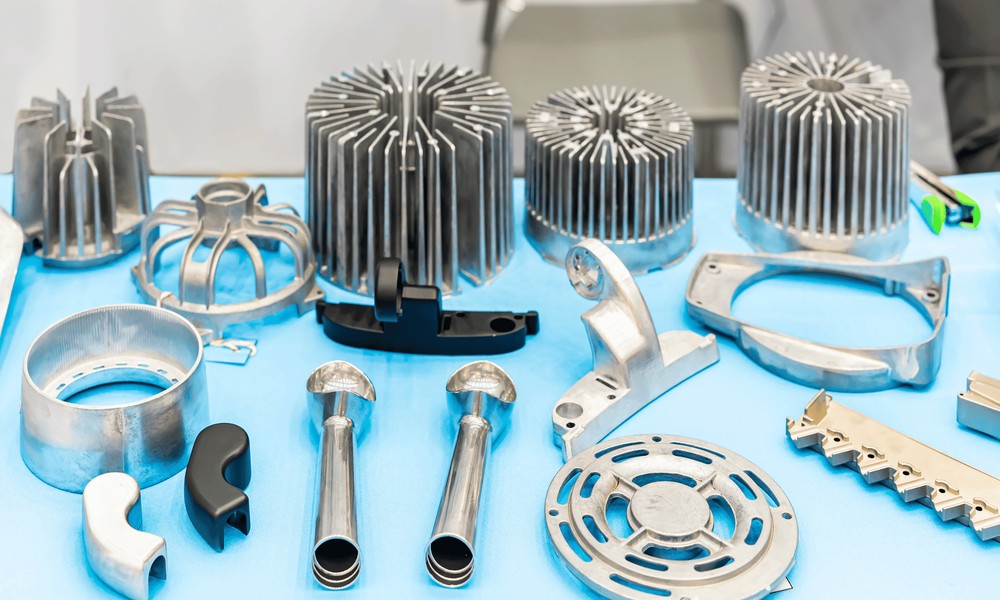

Creative planning now shapes modern manufacturing through careful structure and vision. Design methods focus on accuracy and long-term performance improvement. Engineering teams adopt smarter processes to meet rising component complexity. Industry growth depends on knowledge-driven systems and thoughtful execution. Within this progress, vietnam die casting reflects organized development and technical discipline. Future success relies on a balance between creativity and controlled planning.
Creative frameworks for complex components
Design strategies improve clarity and strengthen technical direction. Structured thinking helps transform ideas into functional component solutions. Engineers focus on precision and flexibility during every planning phase. Innovation encourages confidence through systematic design preparation.
Planning methods for technical advancement
Clear planning supports accuracy and predictable outcomes. Each phase follows structured development principles.
- Structured concepts improve performance through organized engineering planning systems
- Simulation models reduce risk through early testing of design ideas
- Prototype creation strengthens quality through visible trial assessment
- Cross-team planning improves unity through shared technical objectives
- Risk control limits failure through careful design evaluation
- Material selection improves strength through informed engineering decisions
- Layout balance increases efficiency through organized structural alignment
- Continuous reviews support quality through repeated design confirmation
Tools enhancing design reliability
Modern tools guide production through accuracy and repeatability. Software modelling improves understanding of complex shapes. Visual systems support faster changes and refinement. Technology connects creativity with technical control.
What drives innovation planning in component design?
Innovation planning guides complex components toward higher functional value. Design thinking reduces uncertainty and supports stable engineering results. Creative preparation links ideas with structured execution paths. This method strengthens reliability through thoughtful problem solving and discipline.
Coordination between design and production
Unified teamwork improves the transition from concept to manufacturing. Shared responsibility strengthens workflow and reduces process gaps. Communication ensures alignment between goals and outcomes.
Material research and performance growth
Material science supports durability and structural improvement. Engineers select materials based on strength and flexibility needs. The influence of vietnam die casting connects material knowledge with precise design strategies. This approach improves component stability and long-term performance.
Comparative planning approaches
Different strategies guide innovation in unique directions. Some focus on creativity while others stress control. Understanding these paths supports balanced development choices. Each approach contributes to dependable component design.
Path toward design excellence
Creative progress depends on thoughtful engineering and discipline. Strong planning connects ideas with technical execution. Design growth relies on a balance between structure and imagination. Future results depend on responsibility and precision thinking. The vision of Innovation focused planning redefining vietnam die casting design solutions for complex components reflects a future built on trust and structured creativity.
