

Key Takeaways
- A marine globe valve delivers precise control only when sealing integrity is designed in from the start
- Metal ring gasket selection depends on pressure, temperature, and flange geometry
- Installation sequence and surface prep matter as much as component specs
- Understanding the full process reduces leaks, rework, and unplanned downtime
Introduction
When systems perform reliably at sea or in harsh industrial environments, it’s because the process, from selection to installation, was thought through end-to-end. That’s especially true when pairing a marine globe valve with a metal ring gasket. On paper, both are proven solutions. In practice, performance hinges on how they’re matched, prepared, and installed.
Step 1: Start With the Operating Reality, Not the Datasheet
The process begins before any component is chosen. Operating conditions define everything that follows. A marine globe valve is typically selected for throttling and fine control under variable loads. But its effectiveness depends on the pressure class, temperature range, and media characteristics present at the point of installation. The same conditions determine whether a metal ring gasket is appropriate.
Step 2: Match the Valve Function to the Sealing Strategy
Valve function and sealing strategy must align. A marine globe valve introduces controlled pressure drops and directional flow changes that influence flange loading. A metal ring gasket is designed for high-pressure sealing by concentrating the load into a small contact area. This works best when flange faces, bolt loads, and alignment are consistent.
Step 3: Select the Correct Ring Profile and Material
Not all metal ring gaskets behave the same. Profile (oval, octagonal) and material choice affect how the gasket deforms and seals under load. Material selection should consider corrosion potential, temperature limits, and compatibility with both the marine globe valve body and the pipeline material. Incorrect material pairing leads to galling, uneven seating, or loss of preload over time.
Step 4: Verify Flange Geometry and Surface Condition
A metal ring gasket relies on precise flange geometry to seal correctly. Groove dimensions, surface finish, and concentricity are not optional details. Before installation, flange grooves are inspected for damage, corrosion, or debris. Even minor imperfections can prevent proper seating. In systems using a marine globe valve, flange alignment is important because valve weight and actuator loads can introduce stress.
Step 5: Prepare the Installation Environment
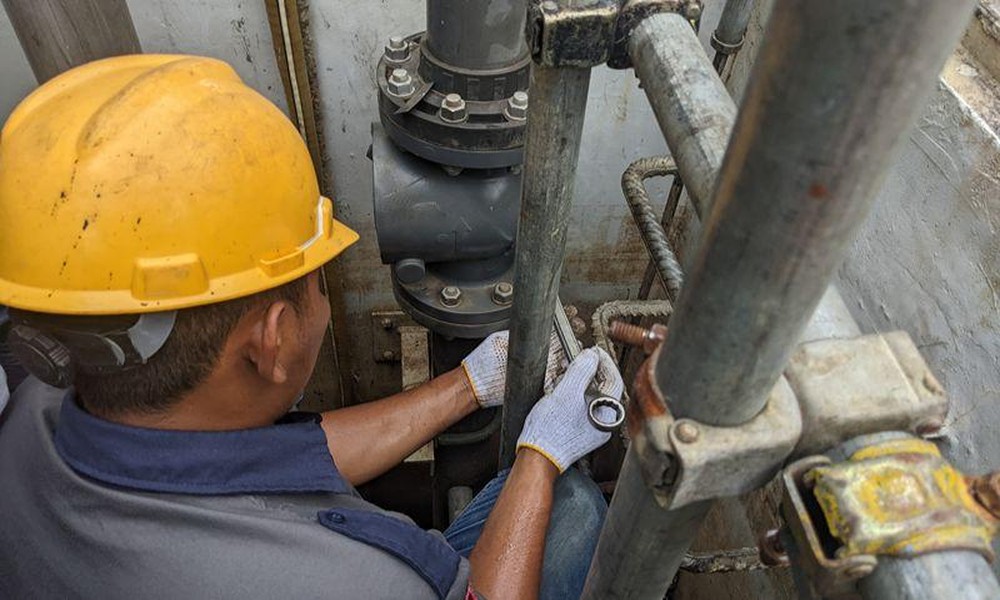
Installation conditions matter as much as components. Cleanliness, alignment, and sequence all affect outcomes. Bolting hardware is checked for condition and lubrication. The metal ring gasket is handled carefully to avoid nicks or deformation. The marine globe valve is aligned to avoid imposing bending loads on the flanges. Controlled installation environments dramatically reduce post-startup leaks.
Step 6: Apply Load Evenly and Methodically
The tightening sequence is where many installations go wrong. Uneven bolt loading prevents uniform gasket deformation. Professionals follow a controlled, cross-pattern tightening sequence, often in multiple passes, to bring the metal ring gasket to its designed seating stress. Torque values are based on bolt size, material, and lubrication. For marine globe valve assemblies, this step is critical because uneven loading can distort valve internals and affect control accuracy.
Step 7: Account for Thermal and Operational Effects
Thermal expansion, pressure cycling, and vibration all influence long-term performance. In marine applications, temperature changes can be significant. A metal ring gasket may relax slightly after initial pressurisation. The marine globe valve body expands and contracts. Experienced teams plan for this by scheduling post-installation checks where appropriate.
Step 8: Integrate Inspection Into Normal Operations
Once the system is live, inspection becomes part of routine operations, not a special event. Operators monitor for pressure stability, temperature anomalies, and any signs of seepage. With a marine globe valve, changes in throttling response can signal internal issues that also affect flange loads. The process continues long after commissioning.
Why Process Understanding Beats Product Swapping
When leaks occur, the instinct is often to change components. Professionals change processes first. A marine globe valve paired correctly with a suitable metal ring gasket can perform reliably for years. Swapping parts without addressing alignment, loading, or operating conditions rarely solves root causes. Process-driven troubleshooting is supported by decades of reliability data.
Conclusion
Pairing a marine globe valve with a metal ring gasket is a sequence. From understanding operating conditions to applying load evenly, each step builds on the last. When the process is followed carefully, sealing performance becomes predictable rather than hopeful. Professionals who focus on how the process really works spend less time firefighting and more time operating confidently. In demanding environments, that consistency is the difference between routine operation and recurring disruption.
If you’re reviewing how valves and gaskets are specified or installed in your system and want a clearer, process-led approach, get in touch with OTOM Services today.
