

Key Takeaways
- Carton boxes, bubble wrap, and tape serve different roles, and using them together correctly improves protection during shipping or storage.
- Matching packing materials to item weight, shape, and fragility helps prevent damage caused by shifting or impact.
- Avoiding common packing mistakes, such as under-padding or weak sealing, reduces breakage and rework for small shipments.
Introduction
Packers cause most packing failures when they use the wrong materials together rather than handling items poorly. Carton boxes, bubble wrap, and tape each serve a specific purpose, and misusing one affects the entire shipment. Small businesses, office teams, and individual shippers often overuse one material while neglecting another. Packers prevent damage when they understand how these materials work together to protect items during movement and storage.
The Role of the Carton Box
The carton box provides structure. It defines the outer boundary of the shipment and absorbs external pressure during stacking and transport. A box that fits the item properly reduces internal movement and limits the force transferred to the contents.
Oversized boxes create space that encourages shifting. Undersized boxes strain seams and corners. Choosing a box that closely matches the item’s dimensions improves stability and reduces the need for excess padding. The box should support the item without bending or bulging once sealed.
When and How to Use Bubble Wrap
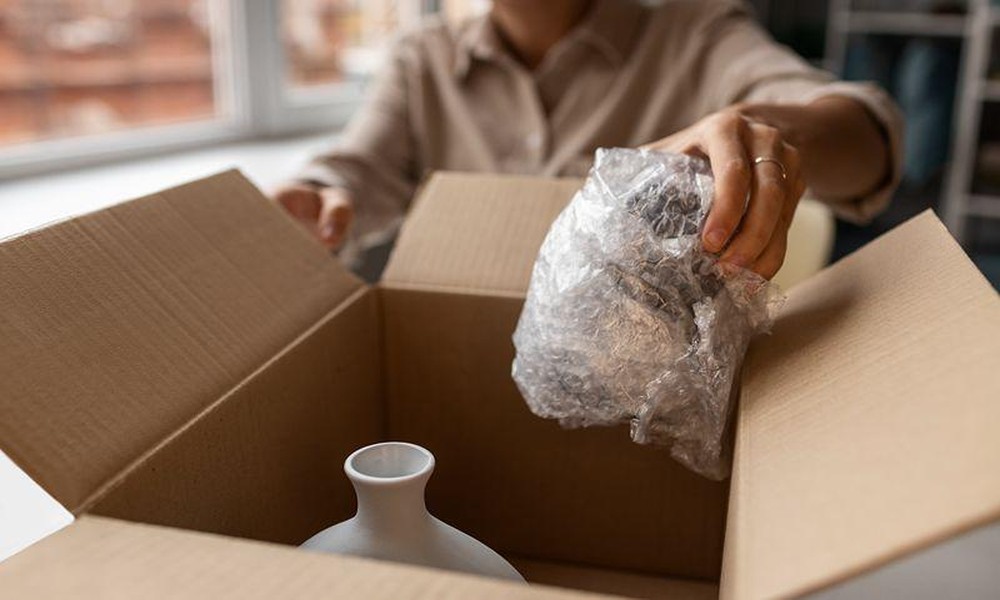
Bubble wrap protects items from impact and vibration. It cushions fragile surfaces and fills gaps inside the carton. Bubble wrap works best when wrapped directly around the item rather than placed loosely inside the box.
The number of layers should match the item’s fragility. Lightweight but fragile items need surface protection. Heavier, fragile items need multiple layers to absorb force. Wrapping should cover corners and edges, which absorb the most impact during drops or handling.
Bubble wrap does not replace a properly sized box. It supports protection inside the box, not outside it.
Why Tape Holds Everything Together
Tape secures the carton and maintains its shape during transport. Weak sealing allows boxes to open or collapse under weight. Tape should reinforce seams, not just close flaps.
Using the correct taping method improves strength. Sealing along the centre seam and reinforcing edges prevents splitting. Heavier boxes require stronger tape and additional passes. Tapes should adhere smoothly without gaps or loose ends. Relying on minimal tape increases failure risk during stacking or movement.
Matching Materials to Item Type
Correct packing starts with matching materials to the item’s characteristics. Weight, shape, and fragility determine how materials work together.
For example:
- Rigid, non-fragile items need firm boxes and secure taping
- Fragile items need cushioning and a tight internal fit
- Irregular shapes need padding to prevent rotation
Using all three materials in balance prevents damage caused by shifting, impact, or compression.
Common Packing Mistakes to Avoid
Packing errors usually follow predictable patterns. One common mistake involves under-padding fragile items, which leaves them vulnerable to shock. Another involves using oversized boxes, which encourages movement even when padding is present.
Weak sealing causes boxes to open during transport. Overloading boxes causes seams to fail. Mixing multiple items without separation leads to surface damage. Avoiding these mistakes reduces rework, returns, and breakage.
Packing for Shipping Versus Storage
Shipping and storage create different stresses. Shipping involves movement, vibration, and handling. Storage involves stacking and long-term pressure. For shipping, packers prioritise tight packing and impact protection. For storage, they focus on box strength and weight distribution. Adjusting packing methods based on destination and duration improves protection without adding unnecessary materials.
Efficiency for Small Shipments
Small shipments benefit from disciplined packing. Using consistent box sizes simplifies packing and stacking. Keeping bubble wrap cut to standard lengths reduces waste. Applying tape in a repeatable pattern speeds up sealing.
Efficiency improves when materials remain organised and accessible. This reduces packing time and prevents mistakes caused by rushing.
When to Reassess Packing Materials
Repeated damage, frequent re-taping, or crushed boxes signal that packers are using materials that do not match the items. Reassessing box size, wrap thickness, or tape strength prevents ongoing issues.
Tracking which items arrive damaged helps refine packing choices. Adjustments based on observation improve outcomes without increasing material use.
Conclusion
Using carton boxes, bubble wrap, and tape correctly requires understanding how each material contributes to protection. The box provides structure, bubble wrap cushions impact, and tape maintains integrity. Matching these materials to item weight, shape, and fragility prevents damage and reduces rework. When used together with intention, basic packing materials protect shipments reliably without unnecessary complexity.
Contact PackInk to review packing material options and ensure your cartons, wrap, and tape suit your shipping needs.
