
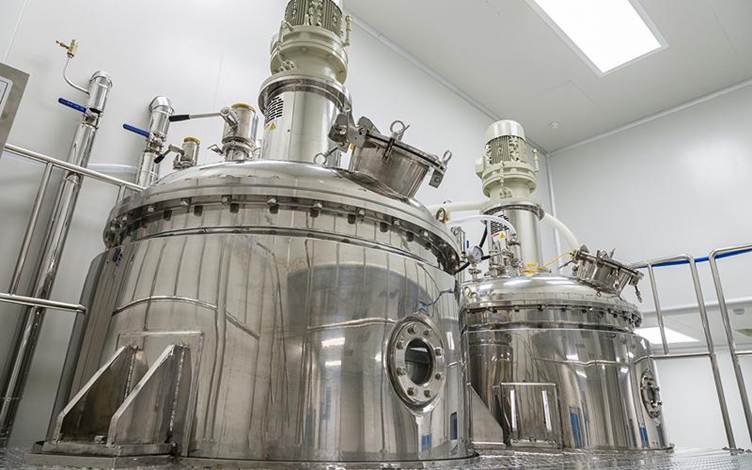

Choosing the right pressurised tanks is essential for maintaining consistent performance and safety in industrial applications. These tanks store and dispense liquids or gases under controlled pressure, making them crucial to many manufacturing processes. Whether you operate in electronics, chemical production, or food processing, knowing the specifications and components of a tank helps you make an informed decision. Working with a reliable pressure tank manufacturer also ensures that the equipment meets required standards.
Material Quality and Structural Integrity
One of the first features to assess when selecting pressurised tanks is the material used in their construction. Stainless steel is common because it resists corrosion, withstands pressure, and maintains durability over time. For industries handling sensitive or reactive fluids, higher-grade materials offer enhanced protection against contamination and chemical reactions. A tank’s structural integrity affects not just longevity but also operational safety, especially in environments that require frequent pressure adjustments.
You should also examine the tank’s internal surface finish. A smooth interior prevents residue build-up and makes cleaning easier, which is important for sectors such as food production or pharmaceuticals. Tanks supplied by reputable companies such as Unicontrols often undergo strict quality checks to ensure uniformity, pressure resistance, and material strength. By choosing high-quality materials, companies minimise downtime and reduce long-term maintenance costs.
Pressure Capacity and Safety Features
Different applications require different pressure levels, so capacity is a crucial factor when evaluating pressurised tanks. Each tank has a maximum operating pressure that should match or exceed your system requirements. A mismatch may lead to performance issues or safety risks. The pressure tank manufacturer must clearly state pressure ratings, and these ratings should follow regional or international safety standards.
Safety features protect both equipment and operators. Look for components such as safety valves, pressure gauges, and reinforced fittings, all of which help maintain stable conditions inside the tank. Proper sealing mechanisms prevent leaks, while pressure relief valves reduce the risk of over-pressurisation. These features contribute to safe, reliable operations and support smooth integration with the rest of your fluid handling system.
Compatibility With the Application
Pressurised tanks must be compatible with the materials they store. Some fluids require temperature control, while others may need protection from light or air. Understanding these requirements helps you choose the right tank design and features. For example, industries utilising adhesives or chemicals may need lined tanks that prevent material degradation. Reviewing your process and working with an experienced pressure tank manufacturer ensures that your tank meets both operational and material needs.
Your application may also influence the tank’s size, orientation, and dispensing configuration. Smaller tanks may serve precision dispensing systems, while larger industrial setups require tanks that support high-volume output. The tank should work seamlessly with your pumps, valves, and regulators. Considering these factors early prevents disruptions during installation and ensures consistent delivery within your production line.
Ease of Maintenance and Long-Term Reliability
Maintenance is crucial in keeping pressurised tanks working safely. A well-designed tank will have accessible openings for cleaning and inspection. Regular maintenance prevents contamination, clogging, or internal damage, especially in applications involving thick or sensitive fluids. Tanks with removable lids, easy-to-replace components, and clear documentation support smooth servicing routines.
Long-term reliability depends not just on design but also on the support offered by the manufacturer. Reputable suppliers like Unicontrols provide after-sales support, technical advice, and replacement parts. This ensures that your tank continues operating effectively throughout its lifespan. Choosing a reliable manufacturer gives businesses peace of mind and reduces unexpected downtime caused by equipment failure or delayed servicing.
Conclusion
Selecting the right pressurised tanks requires careful consideration of material quality, pressure capacity, compatibility, and long-term reliability. Businesses benefit when they evaluate these factors before committing to a purchase. By working with an experienced pressure tank manufacturer such as Unicontrols, companies can secure equipment that supports safe, efficient, and consistent operations. Reliable tanks help maintain production quality and ensure smoother processes across various industrial environments.
Invest in safer, more dependable pressurised tanks. Contact Unicontrols today for expert guidance and high-performance tank solutions.
