
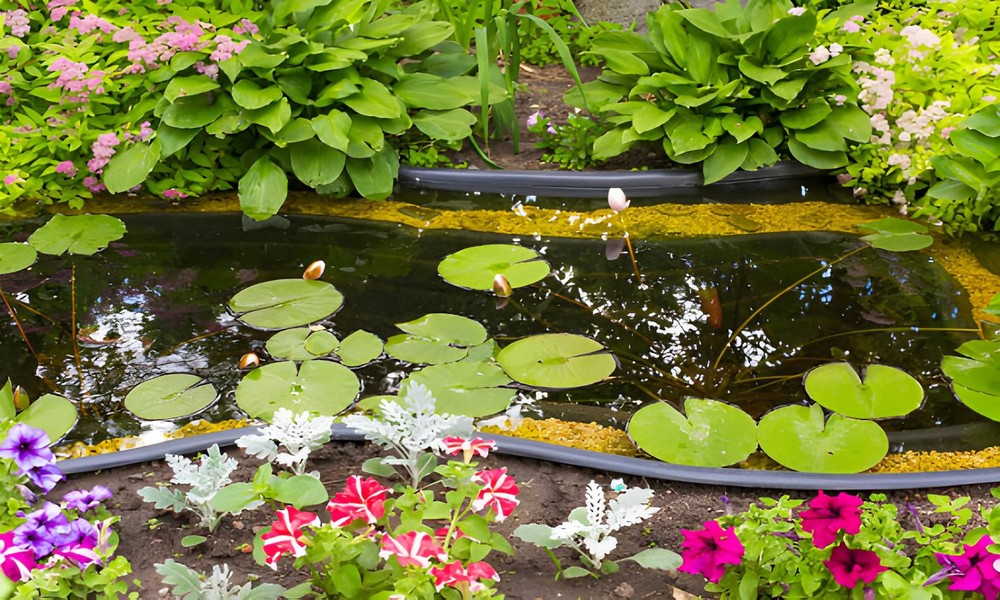

Fibre-glassing a pond can feel intimidating at first, with several steps involved. But taken slowly, it is manageable. It requires patience and focus, since even small mistakes can become noticeable later.
Are you based in Sussex in the UK? Then you must contact That Pond Guy, the most trusted Sussex pond fibreglassing services. They have built a solid reputation for fixing leaking ponds and turning them into something much more permanent. Not everyone wants to experiment with DIY when water-tightness is involved, and that is fair. Sometimes it is just better knowing it has been done properly.
What Exactly Is Fibreglass?
Fibreglass, also known as GRP (Glass Reinforced Plastic), is basically a mix of glass fibres and resin. Together, they form a strong, waterproof shell.
- Tough and long-lasting
- Completely sealed surface
- Smooth finish that is easy to clean
It is the same material used in boats, which says a lot. If it can handle water there, it can definitely handle a garden pond.
Step 1: Preparing the Pond Base
This part is more important than people expect.
- Drain all the water
- Let the pond dry completely
- Remove dirt, algae, and loose debris
- Repair cracks and smooth uneven areas
If the surface is not properly prepared, the fibreglass will not bond well. And that can lead to weak spots.
Step 2: Cutting the Fibreglass Mat
Now comes a bit of measuring and planning.
- Measure the pond carefully
- Cut the matting slightly larger than needed
- Leave overlaps between sections
Those overlaps matter. They help create a seamless finish, which is kind of the whole point of fibre-glassing.
Step 3: Applying Resin and Matting
This is where things get real, and a little messy.
- Apply a layer of resin onto the surface
- Place the fibreglass mat over it
- Press it down and smooth out air bubbles
- Add another coat of resin on top
You need to make sure the mat is fully soaked. Dry patches? Not good. Air bubbles? Also, not great. It takes a bit of practice, honestly.
Step 4: Smoothing and Finishing
Once the layers are in place, you are not quite done.
- Trim off excess material
- Sand any rough or uneven spots
- Apply a protective gel coat
The gel coat is what gives that clean, polished look. It also adds an extra layer of protection, especially against sunlight.
Step 5: Letting It Cure
This step is simple, but requires patience.
- Leave it for 24-48 hours
- Keep it dry and undisturbed
- Avoid rushing the process
It is tempting to move ahead quickly, but curing time really matters. Skipping it can weaken everything you have just done.
Final Checks Before Filling
Final Thoughts
Fibre-glassing a pond is not easy, but it is doable with care and effort. Once finished, it is strong, seamless, and reliable, a low-maintenance pond that simply works and feels completely worth it. If you are not able to fully commit to your project, it I better to call the professionals for the job.Top of Form
Bottom of Form
