

If you’ve ever spent a July afternoon hanging off a pole in West Texas or wrestling with a frozen transformer during a Nor’easter, you know that your gear isn’t just “equipment.” It’s your lifeline. Out there, three hundred feet of air or a few thousand volts of “don’t touch” separate a good day from a very bad one.
When you’re in the bucket, space is tighter than a new pair of boots. You can’t exactly walk back to the truck because you forgot your 9/16″ socket. That’s why choosing the right lineman bucket products and a reliable lineman tool bag isn’t just about being neat-it’s about efficiency, safety, and saving your lower back from a lifetime of Vitamin I (Ibuprofen).
The Great Material Debate: Steel, Aluminum, or Carbon Fiber?
Before we dive into the bag, let’s talk about what’s getting you up the pole. If you’re still climbing, the material of your gaffs matters more than you think. It’s a classic tradeoff between your wallet and your knees.
|
Feature |
Steel Climbers |
Aluminum Climbers |
Carbon Fiber Climbers |
|---|---|---|---|
|
Weight |
Heavy (The “Old School” workout) |
Lightweight |
Featherweight |
|
Durability |
Indestructible |
High (but can scratch) |
Extreme (but watch for chips) |
|
Comfort |
Low (heavy on the ankles) |
Moderate |
High (ergonomic flex) |
|
Cost |
Budget-friendly |
Mid-range |
Premium |
Steel is the reliable old pickup truck of the industry. It’s cheap and it’ll last thirty years, but by year ten, your joints might feel every ounce of that weight. Aluminum is the “Goldilocks” choice-light enough to notice a difference but won’t break the bank. Then there’s Carbon Fiber. If you’re a career lineman, this is the Ferrari. It’s incredibly light, which reduces fatigue during long shifts. Is it worth the $800+ price tag? If it adds five years to your knees, most veterans would say absolutely.
Organizing the Chaos: Lineman Tool Bags vs. Bucket Organizers
In the aerial world, gravity is a constant enemy. If a tool falls, it’s a “ground man’s headache” at best and a safety violation at worst. This is where a high-quality lineman tool bag or a specialized lineman tool organizer comes into play.
The Versatile Lineman Bag
A heavy-duty lineman bag, usually made of 1680D ballistic nylon or heavy-walled canvas, is your “everything” storage. Modern bags are now designed with puncture-resistant bottoms (because we all know a stray screwdriver loves to poke through) and water-resistant coatings to keep your hand tools from rusting after a rainstorm.
Bucket Accessories: The Aerial Office
Once you’re in the air, you need lineman bucket accessories that turn a cramped fiberglass box into a workstation.
- The Tool Apron: Often called a “bucket gut,” this hangs on the inside and keeps your lineman tools like pump pliers, skinning knives, and folding rulers at chest height.
- Magnetic Tool Boards: These are game-changers. No more fumbling for a nut or a washer; just slap it on the magnet.
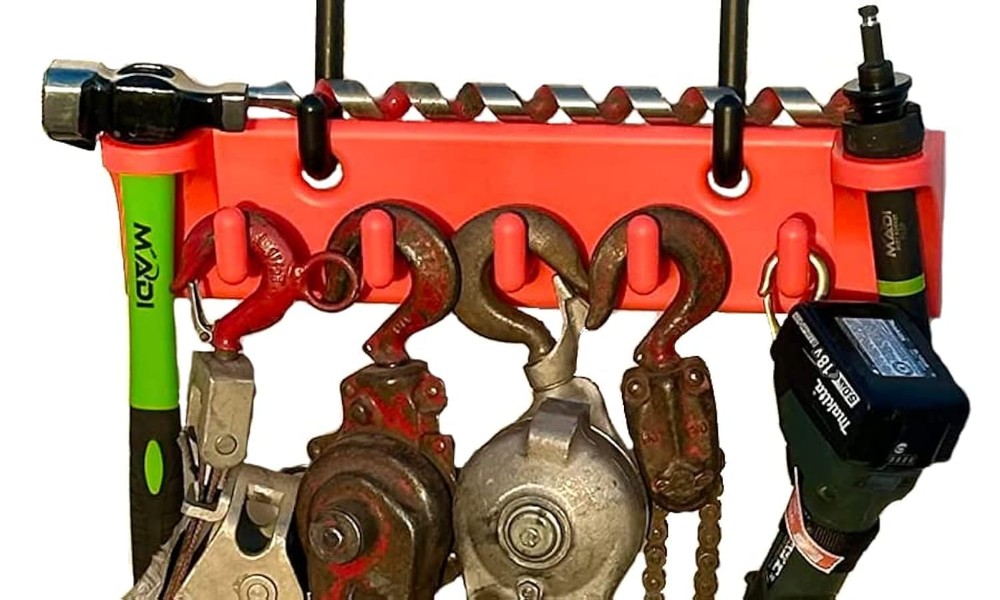
- Gated Bucket Hooks: Use these to hang your lineman tool bag or heavy Lineman Impact Wrenches securely on the rim.
The Daily Carry: Essential Hand Tools for Every Lineman
You wouldn’t go into a knife fight with a spoon, so don’t show up to a 34.5kV job with DIY-grade tools. A proper lineman tools kit is a curated collection of specialized steel.
- Lineman’s Pliers: The “hammer” of the electrical world. Whether you’re twisting wire or knocking a stubborn bolt, these are always on your hip.
- Skinning Knife: Essential for scoring cable jackets without nicking the conductor.
- Bug Wrench: A ratcheting miracle that handles most utility hardware with one tool.
- Electrical Hot Stick: Your primary defense when working energized lines.
- Crimpers and Cutters: High-leverage manual tools or battery-powered beasts like the latest Lineman Impact Wrenches that make short work of ACSR cable.
Why Ergonomics and Facts Matter
Did you know that according to industry safety studies, nearly 30% of lineman injuries are non-electrical? We’re talking about strains, sprains, and falls. Most of these come from “overreaching” in the bucket or carrying poorly balanced loads.
By utilizing a proper lineman bucket tool organizer, you keep the weight centered. Think of your bucket like a cockpit. If you have to reach behind your back or bend at an awkward angle to find your hand tools, you’re asking for a pinched nerve. A well-organized lineman bucket product setup ensures that the tool you need is always within the “Power Zone”-between your waist and shoulders.
Conclusion: Work Smarter, Not Harder
At the end of the day, being a lineman is about more than just “keeping the lights on.” It’s about coming home in one piece with a body that still works. Investing in a top-tier bucket tool bag, choosing the right lineman bucket accessories, and opting for lightweight climber materials isn’t being “soft”-it’s being a professional.
Your gear should work as hard as you do. Whether you’re a “grunt” just starting out or a “journeyman” who’s seen it all, take the time to dial in your setup. Your knees (and your foreman) will thank you.
Frequently Asked Questions
1. What is the most durable material for a lineman tool bag?
Most pros prefer 1680D Ballistic Nylon or heavy-duty Vinyl-coated Canvas. These materials are puncture-resistant and can handle the literal “drag” of being hauled up and down poles.
2. How often should I inspect my lineman bucket accessories?
Every single day. Before you go up, check your hooks for cracks, your apron for frayed stitching, and your magnets for debris. A failure at height is never a small problem.
3. Are carbon fiber climbers really worth the extra money?
If you spend more than 2 hours a day on your hooks, yes. The weight savings (often 2-3 lbs per pair) significantly reduces fatigue and long-term strain on your hips and knees.
4. What’s the difference between a tool bucket and a tool bag?
A tool bucket is usually an open-top, cylindrical container meant for vertical hoisting. A lineman bag is often more rectangular, features more internal dividers, and is designed for both transport and aerial use.
5. Why do linemen use folding rulers instead of tape measures?
Non-conductive fiberglass folding rulers are the industry standard. Unlike metal tape measures, they won’t create a path to ground or “snake” into energized parts, and they stay rigid when measuring long spans of wire or pole hardware.
